
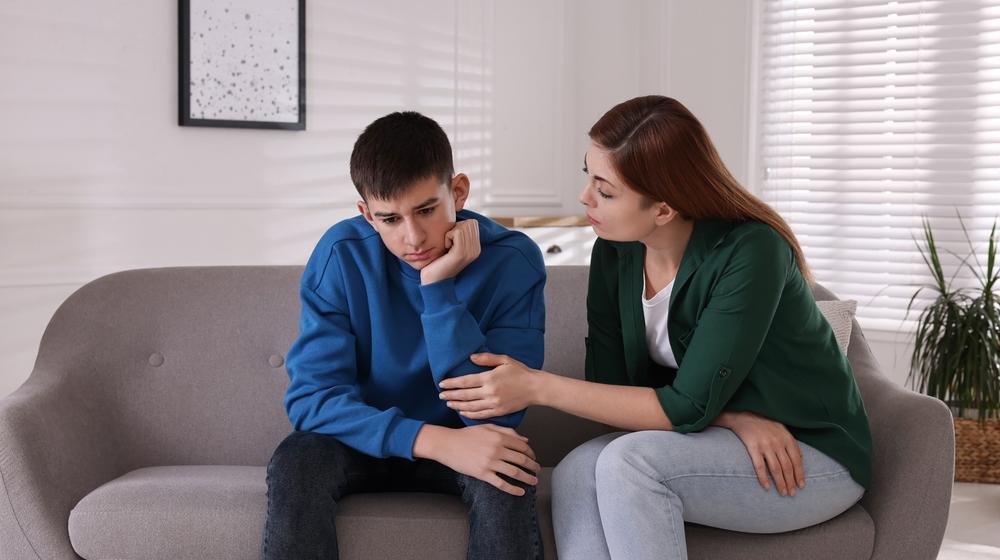
Many people experience strong emotional highs and lows during their teenage years. But for parents, it can be hard to tell if their children are just going through a phase or if teenage “angst” is really depression or another serious mental health disorder. Here is how to sort out healthy development from a potential mental health struggle.
Why Teenagers Seem More Emotional
There is some research that suggests that teenage angst is a product of modern society. Many children and teenagers experience increased anxiety and depressed moods as a result of school obligations, cyber-bullying, and increased demands on their time not seen in previous generations. But not all of your teen’s moodiness is a product of social media or the latest trends.
Get help with your teenager’s mood disorder.
Talk to a psychotherapist today about whether your teenager’s angst is really depression.
There are many biological and chemical factors that cause teenagers to get more emotional as they age. Adolescence is a time of increased hormones, many of which are directly connected to mood and emotions. In addition, the teenage brain is developing, so teens experience an increased understanding of themselves as independent beings, separate from their parents or family. This can cause them to act out against authority, and engage in risky behaviors to find the boundaries of what society, and you, will accept. None of this requires a mental health disorder. In fact, some level of emotional growing pains are good and necessary for a child to become an adult.
Many Teenagers Face Undiagnosed Depression
Still, parents’ assumptions that their children are just “going through a phase” of teenage angst can sometimes cause kids with serious mental health challenges to go undiagnosed and untreated for years. Lifelong depression often gets its start in the teenage years. It has many causes, including:
- Genetics
- Brain chemistry
- Hormones
- Traumatic childhood events
In families with a history of anxiety, depression, or other mental health disorders, “angsty” teens may truly be struggling with thoughts, feelings, and urges they cannot control. That is why it is so important for parents to pay attention to their children. You need to be able to tell when teenage angst is really depression in need of treatment.
How to Tell Between Teenage Angst and Depression
Depression is a serious mental health disorder, with symptoms that go beyond a bad mood or a desire not to get out of bed. If you are worried that your child’s teenage angst is really depression, look for some of the following symptoms:
- Frequent angry outbursts
- Irritability and argumentativeness
- Persistent sadness
- Changes in sleep patterns (more or less)
- Noticeable weight loss or gain
- Changes in appetite (eating more or less)
- Withdrawal or isolation (such as spending less time with friends)
- Decreased interest in hobbies or activities
- Decline in academic performance (missing school, bad grades, or loss of interest)
- Frequent headaches
- Digestive issues or stomach aches
- Drug or alcohol use
- Self-harming statements or behaviors (such as cutting or expressing suicidal thoughts)
Not every depressed person has all of these symptoms, and many of them overlap with the emotional turmoil that comes with growing up. Still, they can be warning signs for parents that your children are going through more than just a phase and may need help and support.
What to Do if You Think Your Teenage has Depression
If you think your child has depression, the first thing you should do is talk to them in a non-judgmental, supportive way. Remember that it is natural for teenagers to depend less on their parents, so what you perceive as isolation or mood changes may just be a shifting focus toward peers or self-identity. Ask questions about how they are feeling and whether they are struggling and really listen to the answers. If they are not ready to talk, that’s okay too. Remind them that you love them and want to help, and give them the space to process their emotions on their own.
However, if there are physical symptoms of depression, or especially signs of self-harm or suicidal thoughts, you need to be prepared to step in as a parent. Talk to your child’s doctor and ask them to do a depression screening. This will give your teenager a chance to talk through how they are feeling with a professional, rather than the parent they may be experiencing conflicting feelings about. Then ask your doctor if additional mental health treatment is appropriate.
In more severe cases, your child’s doctor may recommend an antidepressant to treat your teenager’s depression symptoms. However, parents are advised to thoroughly discuss medication options and side effects before agreeing to treatment. If your child does begin a medication regime, you should closely monitor their symptoms and state of mind, since some side-effects can be severe.
Some teenagers also benefit from participating in support groups, often led by psychotherapists or counselors. These group experiences can help teenagers recognize that they are not alone in their struggles, combat feelings of isolation, and learn from one another’s successes and struggles.
The most common, and for many the most effective, form of treatment for depression in teenagers is Cognitive Behavioral Therapy (CBT), sometimes called talk therapy. In CBT, your teenager will work with an experienced psychotherapist to explore their negative thinking, develop coping strategies and emotional regulation skills, and find ways to process their thoughts and emotions in a healthy way.
David Stanislaw is a psychotherapist with over 35 years of experience. He helps adults, teens and children with depression, suicidal ideation, and other mental health concerns. Contact David Stanislaw to get help today.
 Using Short-Term Therapy to Break Depression Patterns
  Focusing on Your Family’s Emotional Unit
 Can Short-Term Therapy Improve Your Parent-Child Relationship?