
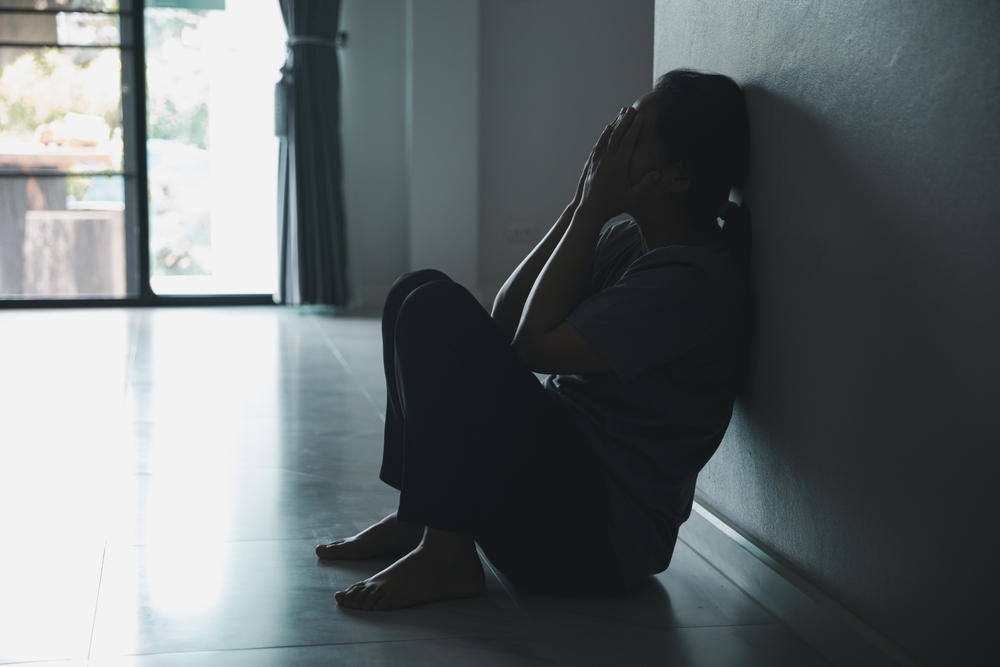
Everyone can feel anxious sometimes, such as when preparing a big project at work, studying for a test in school, or getting ready to meet someone new. But not every spike of fear or nagging worry is a sign of a mental health issue. Understanding the difference between healthy and unhealthy anxiety can be a first step in recognizing you need treatment. Here is a list of common anxiety disorders and how to identify them.
When is Anxiety a Disorder?
According to the World Health Organization, anxiety disorders are the world’s most common mental health issue, affecting 359 million people worldwide in 2021. In fact, approximately 1 in 4 people will receive treatment for an anxiety disorder at some point in their lives. But anxiety isn’t always a mental health disorder. Humans evolved the ability to experience anxiety as a way to prepare for and respond to threats in the environment, getting their bodies ready to fight or flee. In that sense, anxiety can even be a good thing. Still, when the things you are concerned about are internal, or intangible, it can be easy for the symptoms of anxiety to interfere with your activities, relationships, and your daily life. That is when anxiety crosses the line into an anxiety disorder, and you should consider getting help to get those symptoms back under control.
Get help with anxiety today.
Talk to a psychotherapist about whether you have one of the common anxiety disorders.
Common Anxiety Disorder Symptoms
The term “anxiety disorder” is a blanket term that covers a variety of mental health challenges that center on feelings of fear, stress, worry, and the general sense that something bad is going to happen. If you are suffering from an anxiety disorder, those feelings are disproportionate to the actual stresses impacting your everyday life. If you are struggling with anxiety, you may experience some combination of the following symptoms:
- Feeling nervous
- Panic
- Restlessness
- Experiencing an impending doom or danger
- Tension
- Irritability
- Increased heart rate
- Hyperventilation (rapid breathing)
- Sweating
- Shaking or trembling
- Tiredness or weakness
- Trouble concentrating
- Intrusive thoughts about the worry or fear
- Sleeping difficulties
- Digestive issues or upset stomach
- Dry mouth
- Numbness or tingling in extremities
- Uncontrolled worry
- Avoidance of anxiety triggers
Common Anxiety Disorder Treatments
Most forms of anxiety disorder can be effectively treated using psychotherapy (talk therapy), medications, or a combination of the two. Many common anxiety disorders are caused by a combination of genetic predisposition, chemical imbalances in your brain and body, and environmental factors such as prolonged stress or adverse childhood experiences (ACEs).
It is not your fault you are experiencing an anxiety disorder, nor can you simply force yourself to feel better. But there are treatments that can bring your anxiety disorder under control and give you tools to manage your symptoms.
There is no quick blood or urine test to diagnose an anxiety disorder. Instead, your primary care physician may perform tests based on your physical symptoms to rule out other causes and then refer you for a psychological assessment. This is a low-stress interview that discusses your symptoms and behaviors to determine if you meet the criteria for an anxiety disorder using the American Psychiatric Association’s DSM-5.
Types of Common Anxiety Disorders
Not everyone’s anxiety is the same. There are several types of common anxiety disorders, each with their own set of the above symptoms, diagnostic criteria, and effective treatments.
Specific Phobias
Approximately 12% of the U.S. population struggles with one or more specific phobia or irrational fear of a particular thing or category of things. Phobias involve a spike of fear or anxiety when exposed to the specific object or situation, along with a desire to avoid the situation. In some cases, phobias can trigger panic attacks (discussed below). Exposure therapy, or controlled introduction of triggering stimulus, is more common in treating phobias than other common anxiety disorders because it provides coping mechanisms and reduces the experience of anxiety over time.
Social Anxiety Disorder
Another common anxiety disorder is Social Anxiety Disorder. If you have this disorder, you likely feel high levels of anxiety, fear, and avoidance of social situations, crowds, or situations where you are the center of attention (such as public speaking). Social Anxiety Disorder often centers around feelings of self-consciousness, embarrassment, or fear of judgment. It affects approximately 7% of the population.
General Anxiety Disorder (GAD)
One of the most common anxiety disorders people suffer is Generalized Anxiety Disorder or GAD, affecting around 3% of the U.S. population. If you have this condition, you likely feel frequent, excessive, and unrealistic worry about everyday things. You might always feel like you are overwhelmed or dread the next turn of events at home, work, or school. This disproportionate worry affects how you feel physically and makes it hard to control your thoughts and emotions.
Panic Disorder or Panic Attacks
A panic attack feels like a sudden wave of fear, physical discomfort, or loss of control. It may be in response to a specific phobia or situation, but some people with panic disorder can experience these attacks without any clear danger or trigger. Panic attacks often have stronger physical symptoms than other common anxiety disorders, and sometimes can feel as strong as a heart attack. They can come on quickly, and can vary in frequency from several times per year to multiple attacks per day. You may come to avoid the triggers of your panic attacks if you identify them.
Separation Anxiety Disorder
More common in children (4%) than adults (1.9%), Separation Anxiety Disorder looks like excessive worry about being separated from parents or the loss of loved ones. It can cause you to struggle with being alone and to constantly check-in or even attempt to control your loved one’s whereabouts.
Agoraphobia
While less frequent than some other common anxiety disorders, Agoraphobia still affects approximately 1.7% of the U.S. population. It causes you to feel intense fear over being placed in a situation where you cannot escape, such as:
- Public transportation
- Open spaces
- Enclosed spaces
- Lines or queues
- Crowds
Again, avoidance is common. In the most severe cases you may struggle to even leave your home.
Anxiety and Other Mental Health Concerns
Anxiety does not always happen alone. Many people who struggle with a common anxiety disorder also experience other mental health disorders, including:
- Depression
- Sleep disorders
- Eating disorders
- Post-Traumatic Stress Disorder (PTSD)
- Obsessive Compulsive Disorder
- Substance use disorders
- Suicidal or self-harming thoughts
- Physical health disorders including heart attack
Alone or as a comorbid condition with one of these other physical or mental health challenges, anxiety disorder can severely affect your life. It may make it hard to maintain relationships, employment, and a healthy outlook on your situation and your future. Don’t suffer an anxiety disorder alone. Getting help from an experience psychotherapist is an important step toward controlling your symptoms and learning strategies to get through life with less fear, worry, and anxiety.
David Stanislaw is a psychotherapist with over 30 years of experience. He helps adults and parents manage common anxiety disorders and other mental health issues. Contact David Stanislaw to get help today.
 Focusing on Your Family’s Emotional Unit
 Can Short-Term Therapy Improve Your Parent-Child Relationship?
 How to Respond to Intrusive Thoughts of Self-Harm