
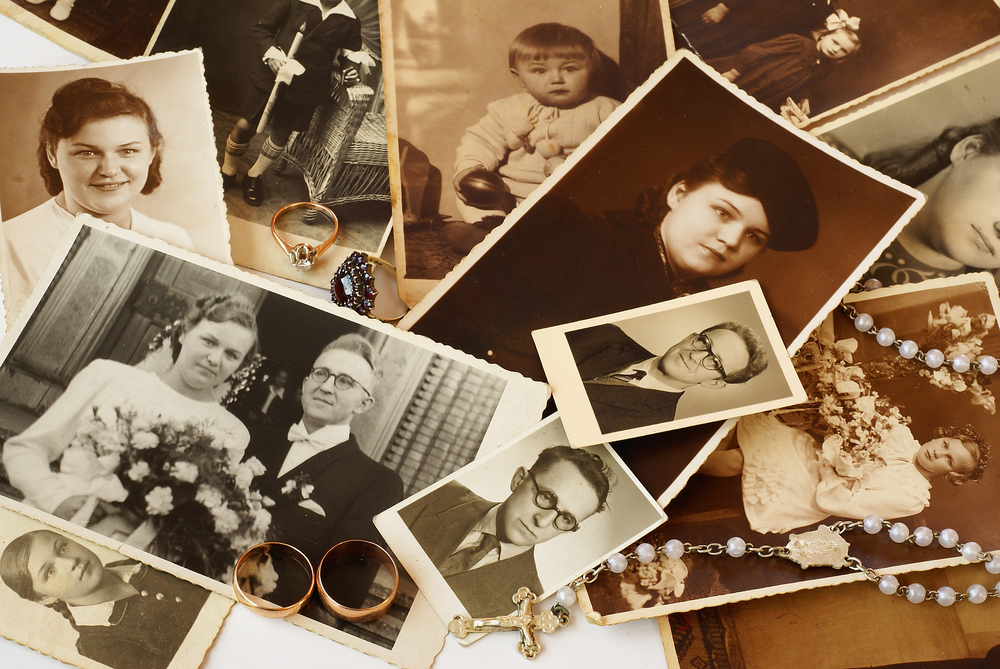
What role do you play in your family? Do you think of yourself as a breadwinner or a home-maker? Are you a peacemaker or an instigator? Understanding your role within your family dynamic can help remove tension, reduce conflict, and move you toward a healthier home environment.
What Family Dynamics Mean in Therapy
Many people start psychotherapy to address problems at home. Whether you attend sessions as an individual or as a couple, if your goal is to reduce stress within your family unit, your therapist will likely use a type of treatment called “Family Systems Therapy.” This treatment method looks at how each member of your household or family unit work together (or don’t work together), that is, the family dynamics.
In family systems therapy, the family is the emotional unit. What happens to one member affects everyone else. By coming to understand how each individual’s actions affect the family system and the other people within it, you can start to adjust those interactions and move toward healthier support for the different members of your family.
Get help understanding your role in your family dynamic.
Talk to a psychotherapist about breaking out of unhealthy family systems today.
When Family Systems Therapy Works Best
Recognizing family dynamics can be an important part of anyone’s therapy. But a family systems approach can be especially useful if you:
- Are going through a divorce
- Struggle with co-parenting with your children’s other parent
- Face judgment or hostility from your family of origin
- Have a child with a developmental disorder or mental health challenge
- Struggle with alcohol or substance abuse disorder
- Have anxiety, depression, or a personality disorder
- Struggle with social cues or interpersonal relationships
- Have a physical disability or are recovering from a major illness or injury
A family systems approach can be used in short-term therapy with a goal of understanding your role in your family dynamics. It can also be applied as part of ongoing therapeutic treatment as you develop your ability to better navigate interpersonal relationships and conflict.
7 Common Roles Within an Unhealthy Family Dynamic
Every family is different, and every individual takes on different traits in the many roles they play over the course of their life. For example, the way you react to stress around your mother is likely not the same as in front of your boss. Understanding the common roles within an unhealthy family dynamic can be a first step to seeing how your own behavior affects those closest to you.
The Golden Child or Favorite Son (or Daughter)
Often an overachiever and a perfectionist, the Golden Child’s role in the family dynamic is to prove that the family can be successful. They are often highly praised by other members in the family, but feel pressure to “keep it together” and may struggle with too much responsibility. When something goes wrong, the Favorite Child may feel deep guilt or unworthiness and believe that things are “all their fault.”
The Problem Child or Scapegoat
This is the member of the family that can never do anything right. They are blamed for everything and are often the one “talking-back” or drawing attention to family flaws. The Scapegoat’s role in the family dynamic is to draw attention away from the deeper issues plaguing the family. They may feel ostracised and struggle with self-worth. But because they are a rebel, the problem child is often the first to seek help and break the intergenerational cycles.
The Peacemaker or Caretaker
With a focus on taking care of others, the Caretaker is the one who puts everyone else in the family first, before their own physical or emotional health. They are generally overly responsible and prioritize people-pleasing. Within the family dynamic, their role is to regulate the moods of individual family members, to keep the family stable. A Peacemaker may feel guilty for saying no, and struggle with resentment or burnout. They may also struggle to ask for help or make themselves a priority.
The Invisible One or Lost Child
A family member with a desire to avoid conflict and confrontation may prioritize being quiet, independent, and not adding to the family stress. The Invisible One often disappears in family settings, and withdraws when things get difficult. A Lost Child may feel deep loneliness or disconnection, and may struggle with emotional intimacy and self-expression. After years of trying not to make waves, they may not know how to reach out when they need it.
The Clown or Entertainer
The life of every party, the Clown uses humor as a defense mechanism. They may not take problems seriously, or may deflect deep conversations with jokes. The Entertainer’s role in the family dynamic is to diffuse family tension and distract from deeper issues. However, they can find it difficult to express negative emotions, and may feel unheard or like no one takes them seriously.
The Victim or Mastermind
Often the center of attention, the Victim is the family member who creates drama and manipulates others to get attention or resources. They can be highly manipulative, using guilt to control others, and pitting family members against one another. Often feeling ignored, they may believe this behavior is the only way to get attention or power within the family dynamic. However, they may also be emotionally reactive, feel powerless, and struggle to form healthy and lasting relationships.
The Confidant or Surrogate Partner
When a parent lacks the emotional support of a healthy partner, he or she may turn to a child or other member of the family unit for that support. This Confidant becomes a substitute for an absent or unavailable adult within the family system. Often this person struggles with over-functioning or trying to rescue others, while feeling deep guilt for their own needs. They may struggle to express anger, especially toward the parent who relied on them.
What to Do After You Recognize Your Role Within the Family Dynamic
As you read the list above, did any stand out or feel familiar? Think of these roles as archetypes. You may not fit any description perfectly, and multiple roles may resonate with you in different ways. Family dynamics shift over time, especially when the family unit changes (because of divorce, remarriage, or someone moving away).
If you are feeling a connection to any of these common roles in unhealthy family dynamics, it can be a sign that there is work to do with a psychotherapist to break down these archetypical reactions and change the way you interact with those closest to you. If you leave unhealthy family dynamics unaddressed, you could mirror these same unhealthy patterns with your own spouse or children. By unpacking the family dynamics in your household you can break out of your role and develop a healthier relationship with the people who matter the most to you.
David Stanislaw is a psychotherapist with over 35 years of experience. He helps adults, and couples, recognize their role in their family dynamics and learn better ways to connect with their loved ones. Contact David Stanislaw to get help today.
 Using Short-Term Therapy to Break Depression Patterns
  Focusing on Your Family’s Emotional Unit
 Can Short-Term Therapy Improve Your Parent-Child Relationship?