
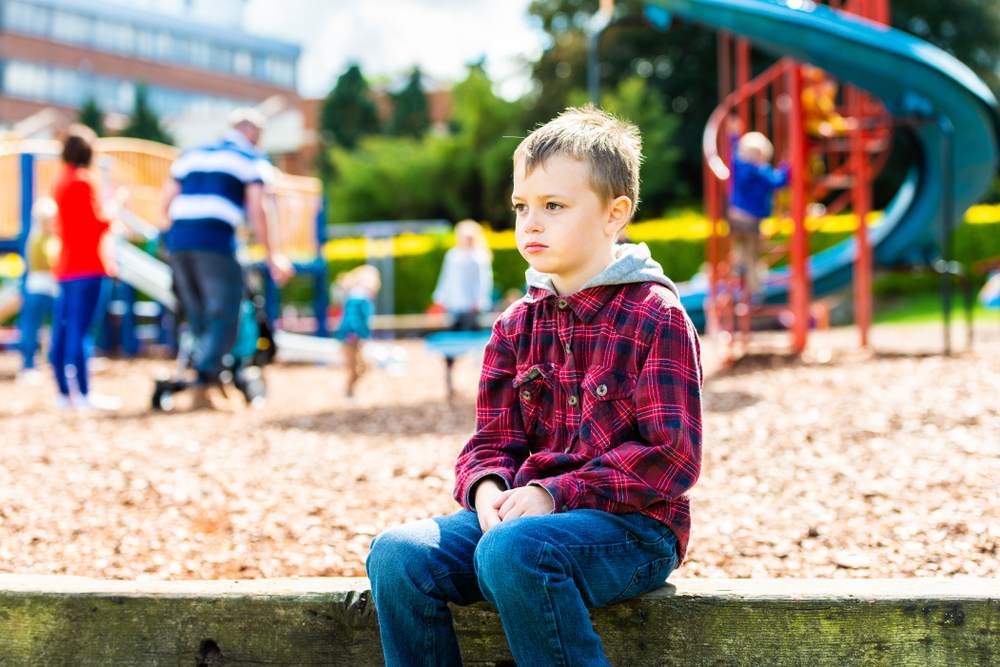
Every parent wants their child to grow up healthy, happy, and surrounded by good friends. Loneliness can be a problem for children, especially those with neurodivergent diagnoses or mental health challenges. But there are things you can do to support your lonely child socially, and help them make real and lasting friendships.
How to Tell if Your Child is Lonely
It is natural for a parent to want to be sure their child has friends and is happy growing up. But just because your child spends a lot of time alone does not mean that they are lonely. Similarly, one bad day, or even several, does not automatically mean that your child is lonely. Some children need more time alone than others. But isolation or exclusion can also hurt children more than adults, so it is important to be aware of signs your child is lonely:
- Creating imaginary friends
- Relying on parents to play or provide attention
- Attention-seeking misbehavior
- Uncertainty or timidity
- Frequent crying
- Retreating to their room
- Negative self-talk
- Sad feelings
- Disconnection with long-time friends
- Increased time on social media
Get Help for Your Lonely Child Today.
Talk to a psychotherapist about how you can address child loneliness.
Is Your Child Over-Reporting Loneliness?
When a child reports that they have no friends or no one played with them at recess, it can trigger a parent’s protective instincts. In fact, children struggle with emotional regulation. Often a single negative event can overshadow a day full of social interactions, leaving a child to over-report their loneliness. Before jumping into action, ask some clarifying questions to put your child’s loneliness into perspective, such as:
- Who did you sit with at lunch?
- Did you do any group activities in class? Who did you work with?
- Who was kind to you today?
- What happened that made you feel lonely?
- What do you wish had happened instead?
- What is one hard moment and one good moment from school today?
These questions can help your child with emotional regulation. They can also help you identify if you truly have a lonely child, or if it is a more isolated issue.
What to Do if a Child Hides Their Loneliness
A lonely child or teenager may not want to admit their feelings to you, or believe you won’t understand. They may even recognize that their feelings don’t match up with what is happening, but be unable to explain why they are feeling that way. This is especially true for younger children, who may not have the vocabulary to express big feelings, and children with developmental disorders like autism. As a parent, you may need to explain a time that you felt lonely, modeling how to respond. If they aren’t ready to talk yet, that is okay too. Just give them space and listen to how they are feeling without judgment or rushing to make things right.
Reasons Your Child is Lonely, and What to Do About It
There could be many reasons your son or daughter is a lonely child. Getting to the source of your child’s loneliness can provide clues for the appropriate response, including whether psychotherapy or mental health treatment could help.
Lack of Social Skills
Emotional intelligence and the ability to understand social dynamics are skills developed over time. While many children can identify social patterns quickly, others may struggle to understand the interpersonal dynamics around them. Many types of neurodivergence, including ADHD and autism spectrum disorders, can also cause a misunderstanding of social cues. When a lonely child does not understand other children’s motivations, how to share, or how to identify and relate to others’ feelings, they will struggle to make friends.
Through modeling and teaching strong social skills, including empathy, self-reflection, and naming and responding to others’ emotions, parents can help their children develop stronger social skills. If your child continues to struggle, or if you see other symptoms of developmental disorders, it is important to have your children tested by a pediatrician or mental health professional, so additional treatments can supplement your efforts.
Social Anxiety
Lonely children often struggle with social phobias around meeting new people, failing publicly, or even just talking to someone new. Social anxiety and fears around fitting in can make it hard for children to make friends. Older children and teens often experience increased social anxiety as there is an increased drive to fit in and avoid embarrassment or judgment. They may shy away from new people or experiences, or avoid situations that caused shame in the past.
As a parent, you can help your child put anxiety-inducing social encounters into perspective. Not being invited to a party may feel like the end of the world, but a different opportunity will come along soon. When something feels embarrassing, your child or teen may ruminate on it for days. You can help them move past it by focusing on other, positive experiences. However, if your child’s anxiety is severe or persistent, a conversation with a psychotherapist may be in order.
Depression and Loneliness
If your child is feeling depressed, they may withdraw from people and activities they otherwise enjoy. This common symptom of depression can look like loneliness. Depression can also cause children to interpret neutral events in negative ways. Because depression also often causes a lower self-worth, a depressed child may report that they have no friends and no one wants to be around them when in fact their friends are wondering where they are.
Depression, like anxiety, is a mental health disorder that usually requires psychotherapy treatment by a professional. Parents must be careful not to blame lonely children for their experiences, since that can feed into the child’s depressed thought patterns and make the condition worse. Instead, if you think your child is depressed, you should focus on providing support and opportunities to reconnect with positive people and experiences, while also seeking treatment.
Bullying or Exclusion By Others
Not every lonely child is a product of a mental health disorder, though. Sometimes the issue truly is external. Bullying in schools remains a big challenge. Sometimes it takes the form of exclusion and isolating behaviors, where bullies put pressure on other students not to engage with the targeted child. Social media has also become a common conduit for bullying behavior, making it harder for children to escape teasing, rumors, and other harmful treatment when the school day ends.
If you believe your child is the subject of bullying, you need to be their emotional support at home and their advocate at school. Listen to your child’s experiences, thank them for telling you about them, and validate their feelings. Make it clear that the bullying behavior is not their fault and help them make a plan to respond when it happens next. Gather up your evidence and contact authority figures, including school administrators, and work with them to address the bullying and create a safer school environment for your kid.
There is a lot you can do as a parent of a lonely child. But the first step is to listen. If you are worried about your child’s loneliness, take the time to ask the right questions to get a clear picture of what is causing it. Only then will you know how to help.
David Stanislaw is a psychotherapist with over 35 years of experience. He helps children, teens and adults identify and address loneliness, anxiety, depression, and other psychiatric issues. Contact David Stanislaw to get help for your child today.
 Using Short-Term Therapy to Break Depression Patterns
  Focusing on Your Family’s Emotional Unit
 Can Short-Term Therapy Improve Your Parent-Child Relationship?